



Paramecium (Microscopic 3D Structure Diagram)
Paramecium is a ciliate belonging to the family Paramecidae in the order Hymenostomes. The body of paramecium is small, cylindrical, and composed of only one cell. It is a unicellular animal, hermaphrodite. The most common is Paramecium, with a body length of only 80-300 micrometers. The surface of the body is covered with a membrane, densely covered with many cilia. The paramecium is named after its body shape, which looks like an inverted sole from a flat angle.

Amoeba (microscopic 3D schematic)
Amoeba is a unicellular animal belonging to the genus Amoeba in the family Proteaceae of the order Proteobacteria. There is only a thin plasma membrane on the surface of the body, and the cytoplasm inside the membrane is relatively transparent, which can be clearly distinguished into two parts: endoplasmic and extracellular; Pseudo feet are shaped like fingers, leaves, or needles; Insects can undergo special deformation movements through pseudopodia, which change with the expansion and contraction of pseudopodia; Pseudo foot not only has the function of movement, but also has the function of feeding. After wrapping food, it undergoes intracellular digestion. Named after the constant changes in body shape caused by the movement of the parasite's cytoplasm.
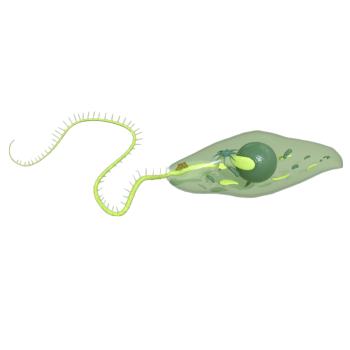
Eyeworm (Microscopic 3D Schematic)

Popular Models



Random Model



Flying Frog Male
867 View

Sydney
269 View

Double sofa
560 View
Krat Cat Model 3D Animation
889 View

Small Dump Truck
830 View

Canadian Hairless
1236 View